How to Cold Brew Oolong Tea: Ratio, Time & Tips
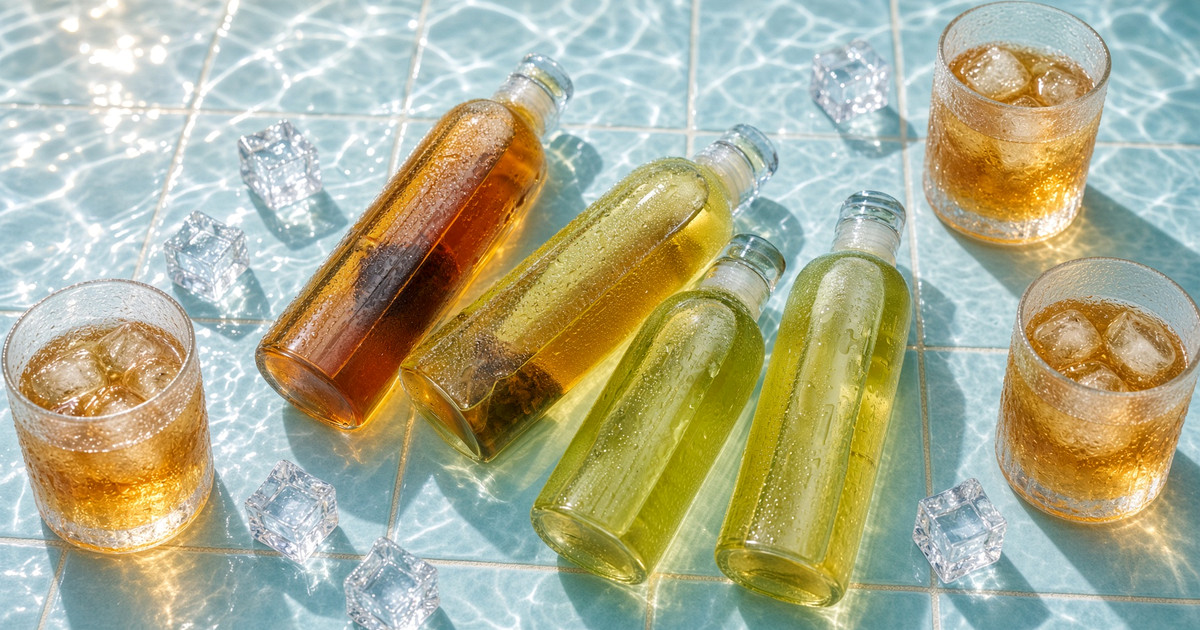
- Cold brewing oolong means steeping the leaf in cold water for hours instead of hot water for minutes; there is no need to boil first.
- TEAGRAPHY's tea-bag guide: one 3 g bag to 250 ml of water, about 5 hours in the fridge or about 2 hours at room temperature.
- Cold brewing draws out sweetness and leaves astringency behind, so the cup is softer than the same tea brewed hot.
- For loose leaf, scale the same ratio of about 3 g per 250 ml and taste before straining; ball-rolled leaf opens slowly in cold water.
- Remove the tea when it tastes right, keep the brew in the fridge and drink it the same day.
To cold brew oolong, put the tea in cold water, refrigerate it and wait several hours instead of boiling anything. TEAGRAPHY's tea-bag guide gives a simple starting point: one 3 g bag to 250 ml of water, about 5 hours in the fridge or about 2 hours at room temperature.
Cold brew is one of the easiest ways to enjoy Taiwanese oolong on a warm day. Low temperature extracts the tea slowly, so the cup tastes smooth, sweet and forgiving, even if you leave it a little longer than planned.
Quick answer: cold brew ratio and time
- Tea bags: 1 bag (3 g) to 250 ml of water.
- Fridge: about 5 hours.
- Room temperature: about 2 hours.
- Finish: stir lightly, remove the tea, keep the brew chilled and drink it the same day.
- Loose leaf: start with about 3 g per 250 ml and taste before straining.
These numbers come from TEAGRAPHY's Four Seasons tea-bag instructions. Treat them as a baseline, then adjust strength by time or water volume.
Why cold brew suits oolong
TEAGRAPHY's FAQ explains the difference in one line: cold brewing draws out the sweetness and leaves the astringency behind, so the result is softer than the same tea brewed hot. That makes it a good choice for people who find hot oolong too strong, or who want an unsweetened drink to keep in the fridge.
Charcoal-roasted oolong also brings something extra to a cold cup. The longan-charcoal roast leaves a warm, rounded sweetness that stays noticeable even when the tea is chilled. If you are curious about that roast, see What Does Charcoal-Roasted Oolong Taste Like?
How to cold brew oolong tea bags
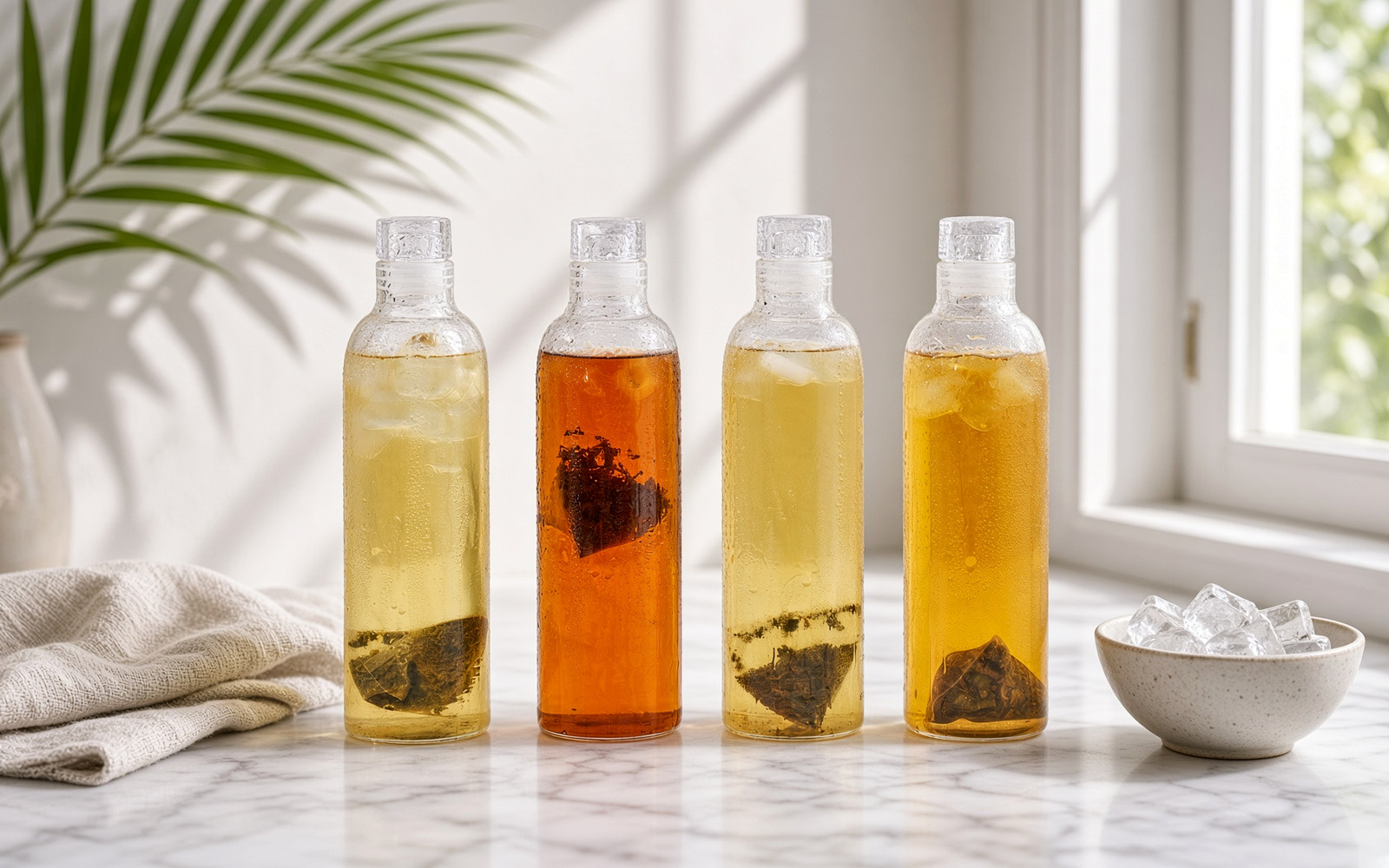
- Choose a clean bottle or jug. A lidded glass bottle keeps fridge smells out.
- Add one tea bag per 250 ml of water. Use fresh, cold, good-tasting water.
- Steep. Leave it about 5 hours in the fridge, or about 2 hours at room temperature.
- Stir lightly and remove the bag. Leaving the bag in keeps extracting.
- Chill and drink the same day.
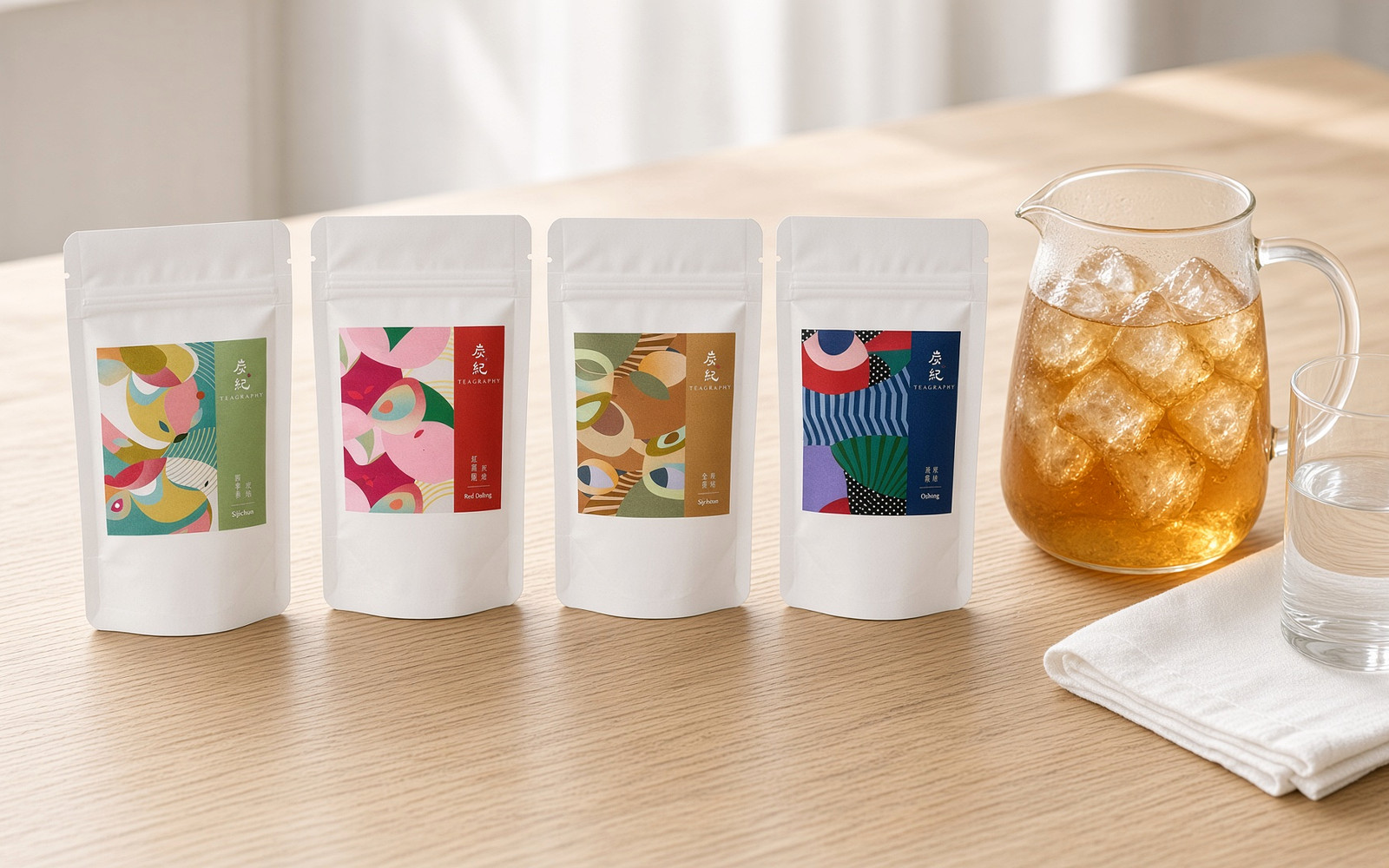
TEAGRAPHY's Four Seasons tea bags come in four flavours, 3 g per bag in packs of five, and the product page carries a cold-brew tag. For a guide to the bags themselves, read Loose Leaf vs Tea Bags.
How to cold brew loose-leaf oolong
Whole, ball-rolled oolong opens slowly in cold water, so give it space and time.
- Weigh the leaf. Scale the tea-bag ratio: about 3 g per 250 ml, or roughly 12 g for a 1 litre jug.
- Add cold water and refrigerate. There is no need to boil first.
- Taste at around 5 hours. If it is still thin, give it a little longer.
- Strain completely and keep the tea chilled.
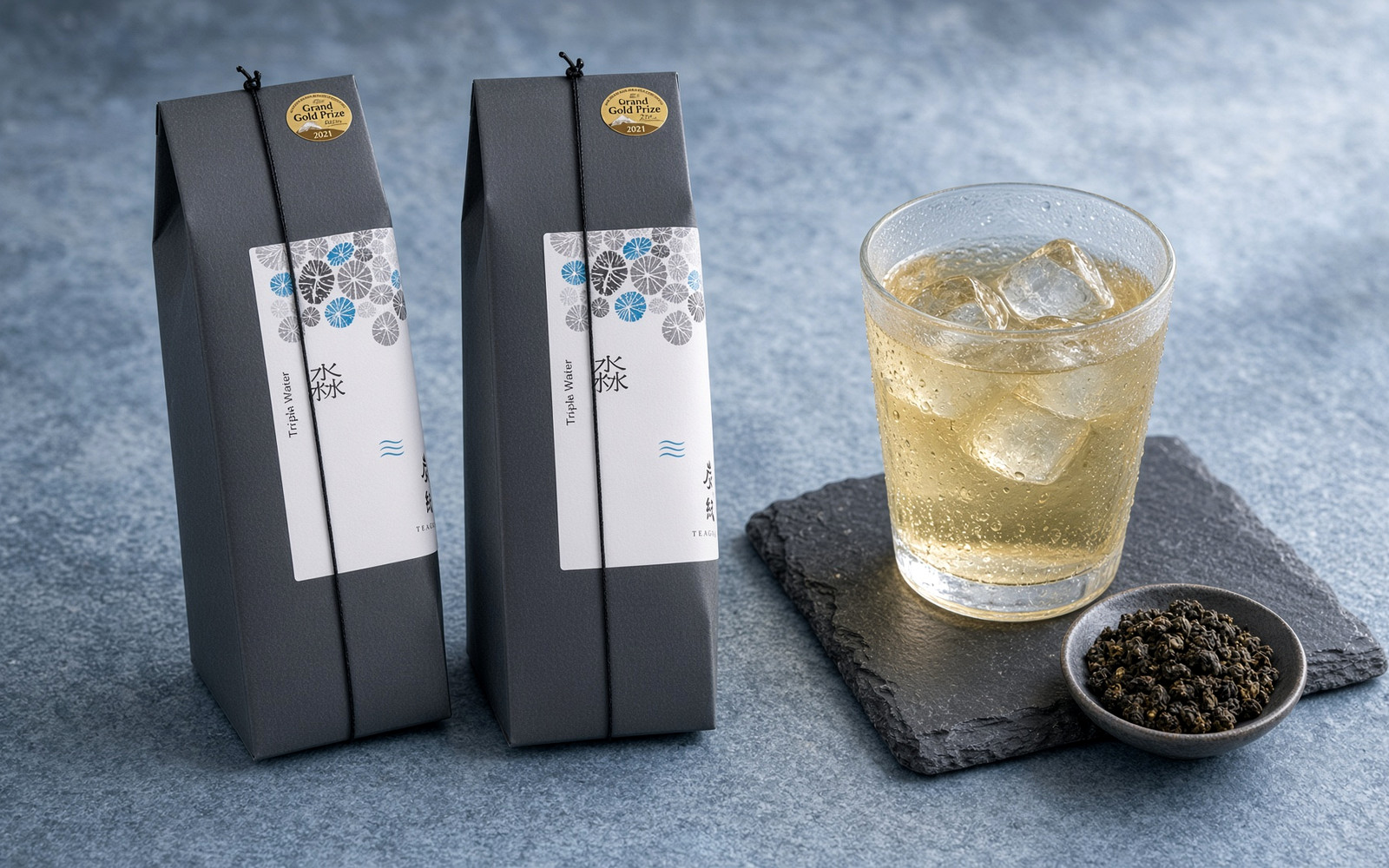
A Cangui Guyun sachet is a tidy way to do this. Each whole-leaf sachet holds 6 g or 7 g, and every Cangui Guyun page carries the cold-brew tag. Because the sachet has no filter bag, empty the leaf into a bottle with a strainer lid.
Which flavour to cold brew?
Use the official flavour notes as a guide:
- Si Ji Chun: gardenia and the vigour of spring, for a bright, refreshing jug. See Si Ji Chun explained.
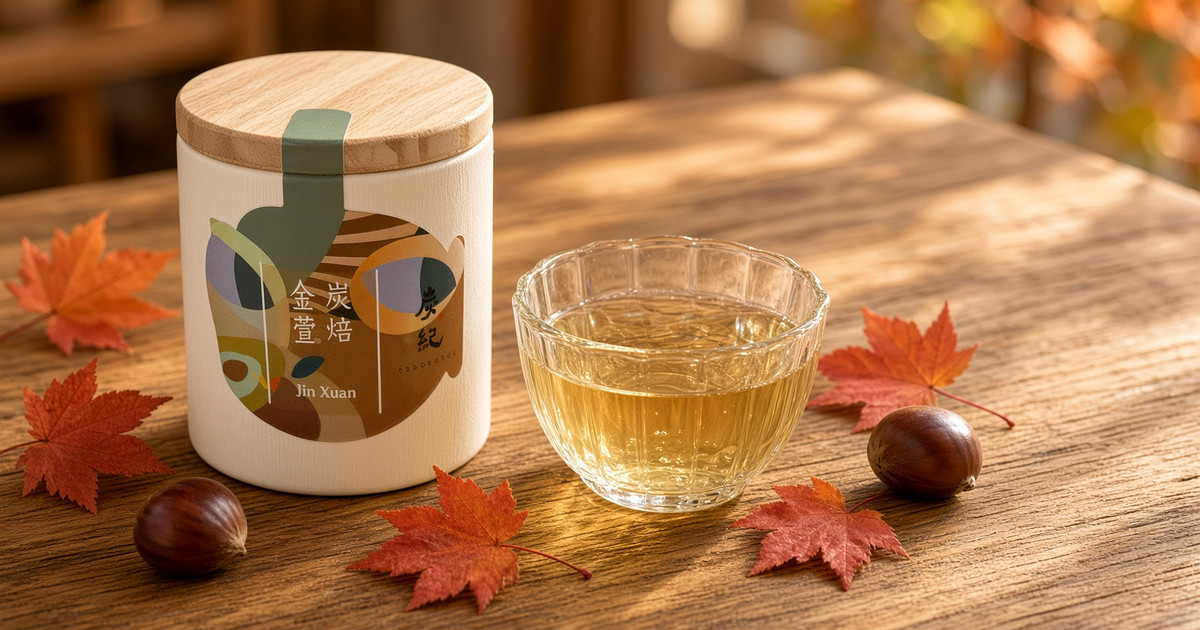
- Jin Xuan: milky sweetness, smooth and gentle.
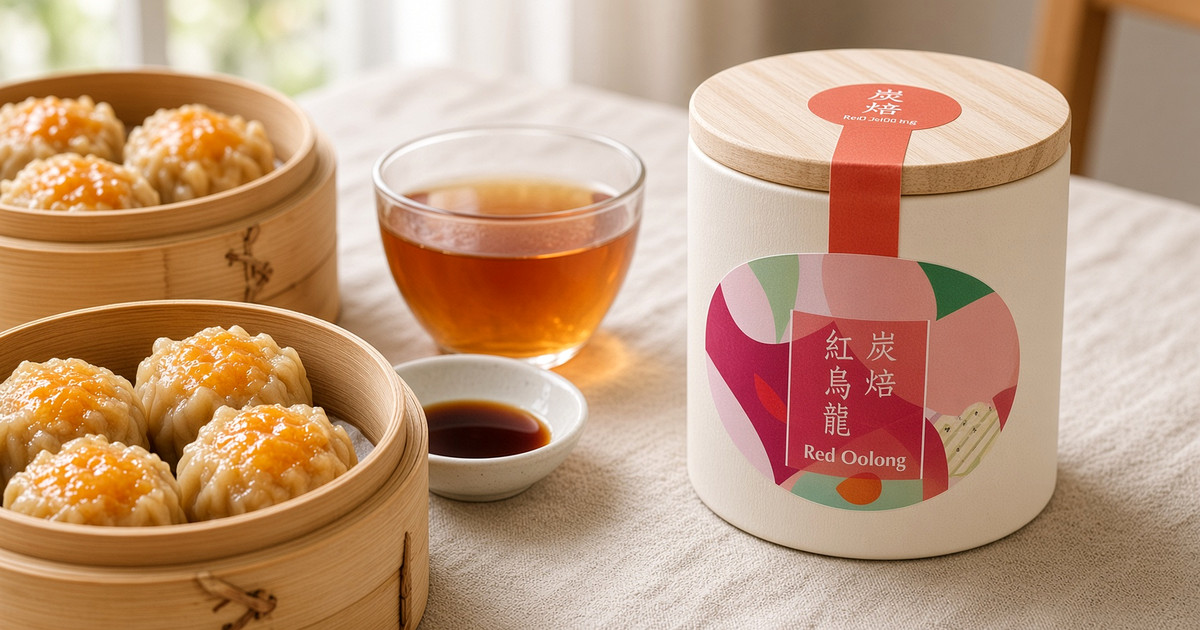
- Red oolong: black-tea fragrance with oolong's mellow sweetness, a natural choice for a deeper-coloured iced tea.
- Oolong: rich roasted aroma and a long, full body for those who like depth.
Cold brew mistakes to avoid
- Leaving the tea in: remove the bag or leaves once the flavour is right.
- Keeping it for days: the official guidance is to refrigerate and drink it the same day.
- Using a cramped infuser: rolled leaf needs room to open.
- Storing dry tea in the fridge: TEAGRAPHY's FAQ advises against keeping tea leaves next to food because they absorb odours. Store dry tea sealed, cool and dry; see How to Store Oolong Tea.
Hot brew or cold brew?
You do not have to choose one. Hot water gives the fullest aroma and lets you re-steep; cold water gives a sweet, low-effort drink that waits in the fridge. For the hot method, TEAGRAPHY recommends 95-100°C for its charcoal-roasted oolong; our brewing guide covers the details.
Start with one bag and one bottle tonight. By tomorrow afternoon, you will have a smooth, unsweetened oolong ready to pour.
Shop cold-brew-friendly teas: Four Seasons tea bags · Four-flavour tea bag set · Cangui Guyun · Brewing FAQ